Getting your first clients starts with a clear offer and a reliable next step. A booking page can make arranging an appointment easier, but it cannot create demand for a service people do not understand. Start with one audience, one useful service and a small test you can review.
This guide is for new consultants, tutors and local service providers in the US, UK and Europe. It covers customer acquisition and booking operations, not business registration, licensing or a promise of sales. Use local professional guidance for requirements specific to your activity.
1. Define a service your first clients can recognize
Describe the customer, the problem and the appointment in one sentence. For example: “A 30-minute introductory session for independent retailers who need help planning their first product photography shoot.” That is more concrete than “solutions for everyone.” Choose a scope you can actually deliver.
Ask a few people in the intended audience what they expect from that session. Listen for questions about the result, duration, location and fee. Record the answers before buying advertising or adding more services. Do not present these informal conversations as market research proving demand.
2. Give first clients a clear price and boundary
Explain whether the appointment is free, paid or an estimate for later work. Separate the consultation fee from any subsequent project. Tell customers what is included, what they should prepare and which requests need a different service.
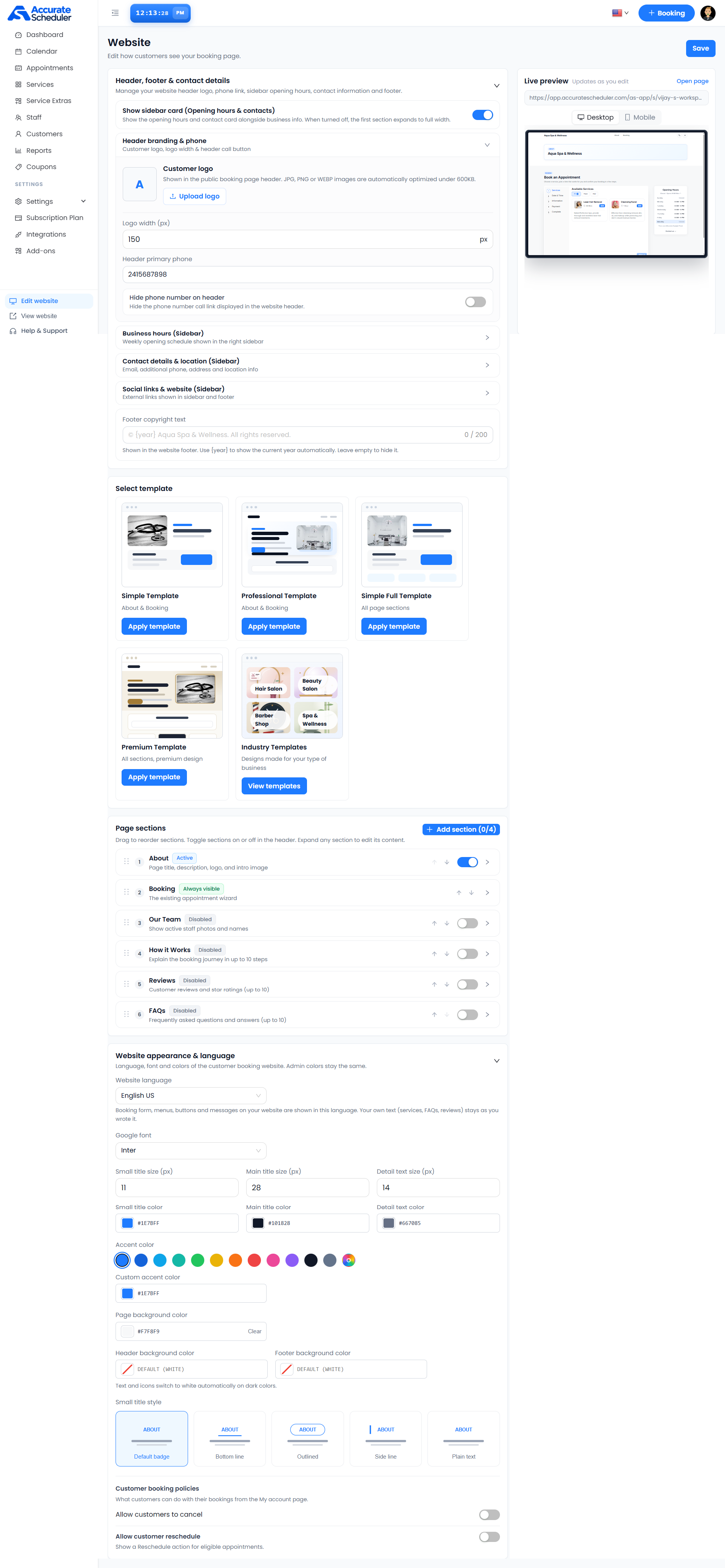
A small startup can use a hosted booking page without a separate website. Follow the no-website setup guide. Clear information matters more than an extensive menu at this stage. Do not promise outcomes, delivery dates or savings you cannot support.
3. Test the booking route before inviting first clients
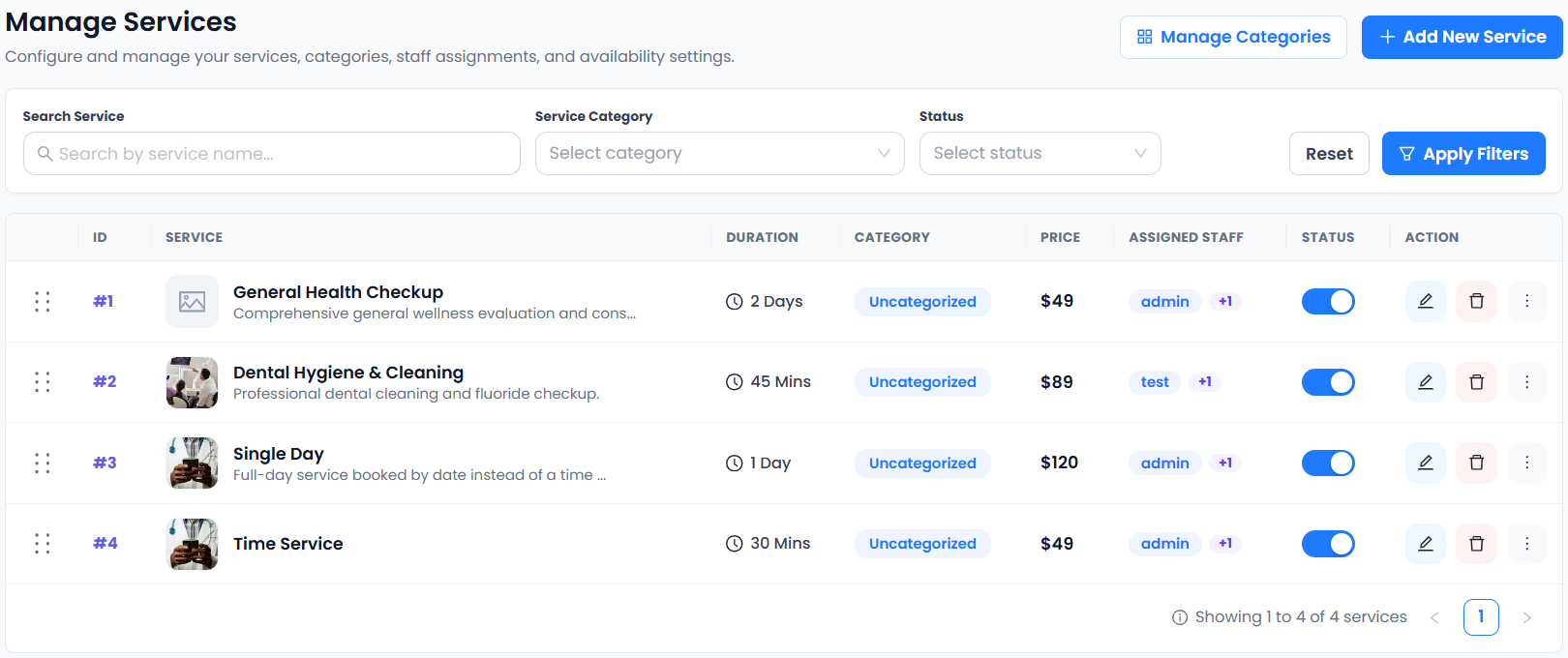
Create one service with the correct duration, price and staff availability. Use your own contact details for a clearly marked test, then inspect the appointment and received confirmation. Test the public customer route rather than the dashboard address.
Accurate Scheduler includes unlimited staff and services on every plan, subject to appointment allowances. The Free allowance is 60 appointments and up to 100 customers and is not labeled monthly. Review current plans before estimating ongoing usage. Staff Panel access requires a paid plan.
4. Choose two relevant ways to reach people
Start where the intended audience already knows you or expects relevant business information: an existing professional network, a suitable directory, an industry community that permits promotion, or introductions from complementary businesses. Read each channel’s rules before posting.
For US local businesses, check Google’s business representation guidelines before creating a Business Profile. Eligibility is not universal. Do not invent an address in another country to attract first clients. Remote providers should explain the genuine service format and timezone.
5. Make a useful invitation rather than a mass message
A good invitation identifies the service and who it helps. Illustrative wording: “I am offering a short planning consultation for [specific audience]. It covers [scope]. Here are the details and available times: [public booking link].” Replace the brackets and adapt the message to the relationship.
Send it only where it is appropriate. A customer enquiry, a personal introduction and a public advertisement need different handling. Do not scrape contact lists or treat a visible email address as permission for repeated promotions. Use your booking link to simplify the next step, not to replace context.
6. Record what happens to your first clients
Track the channel, relevant enquiry, booked appointment, attendance and actual payment separately. A clicked link is not a customer, and an appointment is not automatically revenue. Use accurate records rather than estimating success from likes or page views.
A simple weekly worksheet might contain ten suitable conversations, four enquiries, two bookings and one attended session. These are illustrative numbers, not expected conversion rates. Review where people needed clarification. Improve the offer or instructions before assuming you need more traffic.
7. Refine one part of the process each week
Ask customers whether the service matched the description and whether booking was clear. Request permission before using feedback publicly, and never invent a testimonial. Preserve what worked while changing one confusing step so you can interpret the result.
The US Small Business Administration provides wider business-management resources. For scheduling, try the booking demos and test checklist. Winning your first clients is a learning process; no tool or article guarantees a set number of sales.